.webp)
 Custom Tape
Packing Tape and Specialty Shipping Tape
-
Custom Tape
-
 Carton Sealing Tape
-
 Best Selling Tape - Clear Solvent Acrylic
-
 Tape - Small Packs
-
 Masking Tape
-
 Water-Activated Tape
-
 Duct Tape
-
 Kraft Tape
-
 Strapping Tape
-
 Double Sided Film Tape
-
 Double Sided Foam Tape
-
 Hook & Loop
-
 Safety Tape/ Anti Slip
-
 Gaffers Tape
-
 Electrical Tape
-
 High Temperature Tape
-
 Adhesive Transfer Tape
-
 Glue Applications
-
 Specialty Tapes
-
 Tape Overstock
No Result Found
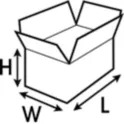
Search by Size:
No Result Found
Industrial tapes and adhesives solve different jobs through a combination of backing, adhesive chemistry and product construction. A carton seal needs dependable closure and equipment compatibility; a mounting tape needs sustained load-bearing strength; masking, electrical and safety applications introduce their own removal, temperature and surface requirements. Initial tack describes how readily an adhesive grabs during application, while shear strength describes resistance to sliding under sustained load. Peel strength matters when force lifts an edge. Acrylic, rubber-based, solvent acrylic and hot-melt systems balance those properties differently, and performance can change with temperature, aging, ultraviolet exposure and the surface being bonded. Low-surface-energy plastics, recycled corrugated board, powder-coated metal, dusty surfaces and cold cartons can be difficult to bond. Clean and dry the surface when the process allows, apply firm uniform pressure and give the adhesive its specified dwell time. Width and backing strength also matter: a strong adhesive cannot compensate for a backing that stretches, tears or does not conform to the joint. For carton closure, compare hand application with machine dispensing, and evaluate box weight, flap stress and storage temperature. Pressure-sensitive carton sealing tape applies quickly, while water-activated tape bonds to corrugated fibers and requires a compatible dispenser. Neither choice guarantees package performance without the right board, application and seal pattern. Trial the tape or adhesive on the actual substrate under representative production, storage and shipping conditions. For electrical insulation, elevated temperature, slip resistance, food contact or another regulated use, rely on the exact product's documented ratings and approvals. A general tape name or color does not establish compliance. Board coating, recycled content, dust, temperature and application pressure can all change adhesion. Foam can fill gaps and distribute stress; thin film suits close-fitting surfaces where a low-profile bond is preferred. Not necessarily. Final performance also depends on shear, peel, dwell time, substrate and environmental exposure. Apply it with the planned method to the actual surface, then expose the bond to expected load, time and environmental conditions. We can help compare backing, adhesive chemistry, equipment and operating conditions.
Industrial Tape and Adhesives for Sealing, Holding and Bonding
Start With the Job the Bond Must Do
Application family
Typical choices
Critical buying question
Carton sealing
Pressure-sensitive carton tape or water-activated tape
What board, load and application equipment are involved?
Holding and reinforcement
Strapping, duct, kraft and filament-style constructions
Is tensile strength, conformability or tear resistance most important?
Masking and temporary use
Masking and gaffer's tapes
How long must it stay, and must it remove cleanly?
Mounting and joining
Double-sided film, foam, hook-and-loop and adhesive transfer
What load, gap, surface energy and bond thickness must it handle?
Safety and identification
Anti-slip and visual-marking tapes
What traffic, cleaning and exposure conditions will it face?
Electrical and high temperature
Electrical insulating and heat-resistant tapes
Which documented rating, temperature and standard are required?
Liquid or hot-melt bonding
Glues and compatible applicators
What open time, set time and material compatibility fit the process?
Adhesive Chemistry Changes Performance
Validate the Whole Application
Frequently Asked Questions
Why does tape stick to one carton but not another?
When should I choose foam instead of film double-sided tape?
Does stronger initial tack mean a stronger final bond?
How should I test an industrial tape?
Need to Match Tape to a Demanding Application?
