.webp)
Wholesale Anti-Static Bubble Pouches
| Image | SKU | Dimensions | Bubble Height | Case/Case |
|
Add To Cart | |||||||
|---|---|---|---|---|---|---|---|---|---|---|---|---|---|

|
PH-532115 | 4" x 3 1/2" | 3/16 | 1000 |
|
|
|||||||

|
PH-532125 | 4" x 5 1/2" | 3/16 | 1500 |
|
|
|||||||

|
PH-532135 | 4" x 7 1/2" | 3/16 | 1100 |
|
|
|||||||

|
PH-532113 | 4" x 10 1/2" | 3/16 | 500 |
|
|
|||||||

|
PH-532155 | 6" x 6 1/2" | 3/16 | 500 |
|
|
|||||||

|
PH-532165 | 6" x 8 1/2" | 3/16 | 650 |
|
|
|||||||

|
PH-532179 | 7" x 8 1/2" | 3/16 | 550 |
|
|
|||||||

|
PH-532187 | 7" x 11 1/2" | 3/16 | 400 |
|
|
|||||||

|
PH-532199 | 8" x 11 1/2" | 3/16 | 350 |
|
|
|||||||

|
PH-532203 | 8" x 15 1/2" | 3/16 | 300 |
|
|
|||||||

|
PH-532207 | 8" x 17 1/2" | 3/16 | 250 |
|
|
|||||||

|
PH-532223 | 10" x 15 1/2" | 3/16 | 250 |
|
|
|||||||

|
PH-532225 | 10" x 20" | 3/16 | 200 |
|
|
|||||||

|
PH-532229 | 12" x 11 1/2" | 3/16 | 250 |
|
|
|||||||

|
PH-532239 | 12" x 15 1/2" | 3/16 | 200 |
|
|
|||||||

|
PH-532247 | 12" x 23 1/2" | 3/16 | 150 |
|
|
|||||||

|
PH-532255 | 15" x 17 1/2" | 3/16 | 150 |
|
|
|||||||

|
PH-532263 | 18" x 23 1/2" | 3/16 | 100 |
|
|
|||||||

|
PH-532267 | 20" x 20" | 3/16 | 100 |
|
|
|||||||

|
PH-532271 | 24" x 24" | 3/16 | 75 |
|
|
|||||||

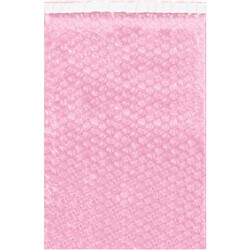
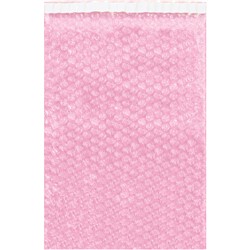
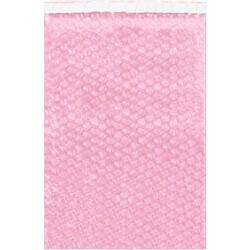
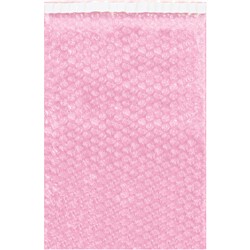
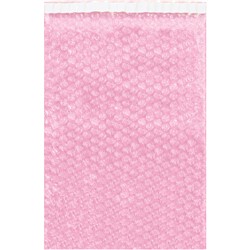
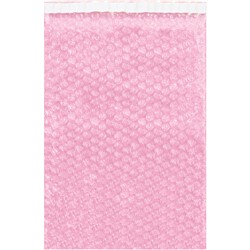
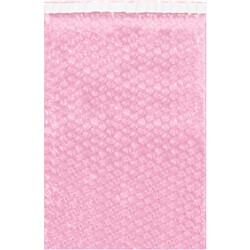
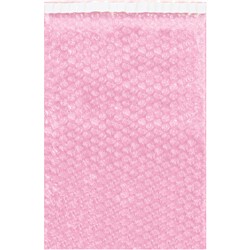
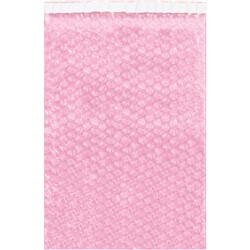
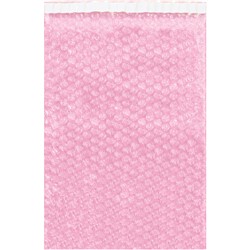
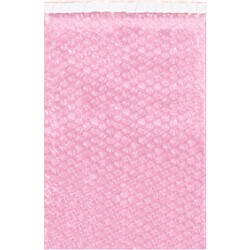
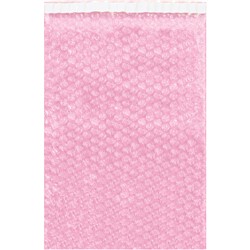
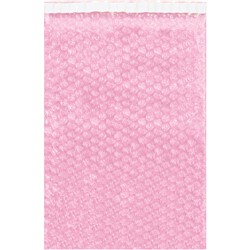
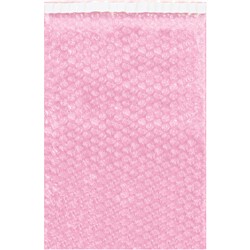
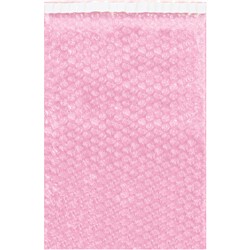
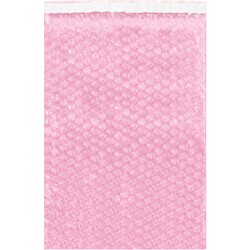
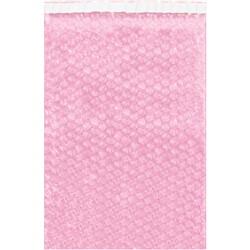
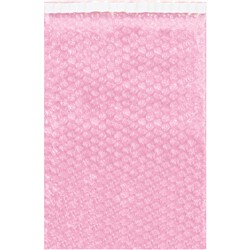
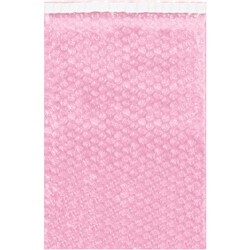
Anti-static air bubble pouches combine a preformed cushioning sleeve with charge-generating properties suited to compatible ESD applications. Self-seal closures make them efficient for service parts, circuit assemblies and other components that need quick insertion and closure. Measure the component's length, width and depth, including connectors, leads and projections. Allow enough clearance for easy loading and for the closure flap to lie flat. A pouch that is too tight can strain seams, compress the cushioning cells or snag delicate features. Cover sharp points before insertion when puncture is possible. Use the smallest pouch that loads comfortably and fully surrounds the part. After removing the release liner, keep the adhesive clean and press the flap across its full width. The pouch still needs a suitable outer shipping package, with blocking or void fill when movement remains. Pink coloration commonly identifies anti-static packaging, but color alone does not establish electrical performance. Verify surface resistance, charge-generation behavior, storage life and any other required data for the exact pouch. Anti-static material is intended to reduce charge generation; it does not provide the same function as a static shielding enclosure. Treat the pouch as one component of the ESD process. Grounded workstations, personnel controls, compatible inner materials and the correct outer package may all be required. If the component specification calls for shielding, place the cushioned part in the qualified shielding system rather than relying on the anti-static pouch alone. Allow for product depth, projections and easy insertion without stretching seams or compressing the air cells. Do not assume it does. Use packaging with documented barrier and seal performance when moisture control is required. No. Verify and use the specific shielding construction required by the component. Reuse only if the pouch, closure and documented ESD properties remain acceptable for the process. We can help compare component dimensions, closure needs and documented electrical performance.Anti-Static Air Bubble Pouches for Fast Component Packing
Size the Pouch Without Crowding the Component
Understand What Anti-Static Means
Frequently Asked Questions
How much extra room should the pouch have?
Does the self-seal flap make the pouch moisture-tight?
Is an anti-static pouch also a shielding bag?
Can the pouch be reused?
Need a Ready-to-Fill ESD Cushioning Pouch?
