.webp)
Wholesale Strapping Seals & Buckles
| Image | SKU | Dimensions | Style | Pieces/Case |
|
Add To Cart | ||||||
|---|---|---|---|---|---|---|---|---|---|---|---|---|

|
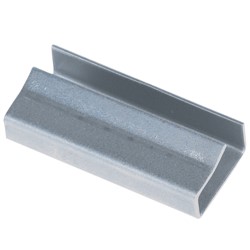
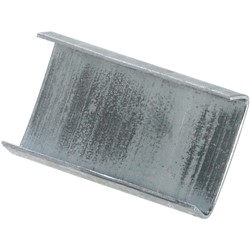
PH-474003 | 2 1/4" x 1 1/4" | Closed HD Steel | 1000 |
|
|
||||||

|
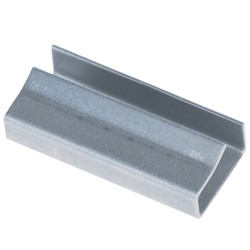
PH-474007 | 2 1/4" x 1 1/4" | Open HD Steel | 1000 |
|
|
||||||

|
PH-474011 | 1/2" x 1 1/4" | Closed Metal Poly | 1000 |
|
|
||||||

|
PH-474015 | 1" x 1/2" | Closed Steel | 5000 |
|
|
||||||

|
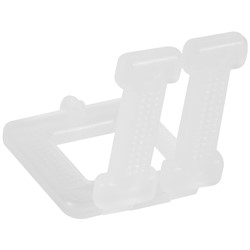
PH-474017 | 1/2" | HD Poly Buckles | 1000 |
|
|
||||||

|
PH-474019 | 1/2" x 1 1/4" | Open Metal Poly | 1000 |
|
|
||||||

|
PH-474021 | 1/2" x 1 1/4" | Open Metal Poly | 2500 |
|
|
||||||

|
PH-474023 | 1" x 1/2" | Open Steel | 5000 |
|
|
||||||

|
PH-474025 | 1/2" | Plastic Poly Buckles | 1000 |
|
|
||||||

|
PH-474027 | 1/2" | 1000 |
|
|
|||||||

|
PH-474031 | 1/2" x 1 1/4" | Sandpaper | 1000 |
|
|
||||||

|
PH-474033 | 1/2" | Wire Poly Buckles | 1000 |
|
|
||||||

|
PH-474035 | 2" x 3/4" | Closed HD Steel | 1000 |
|
|
||||||

|
PH-474037 | 1" x 3/4" | Closed Steel | 5000 |
|
|
||||||

|
PH-474039 | 2" x 3/4" | Open HD Steel | 1000 |
|
|
||||||

|
PH-474041 | 1" x 3/4" | Open Steel | 5000 |
|
|
||||||

|
PH-474043 | 5/8" x 1 1/4" | 1000 |
|
|
|||||||

|
PH-474045 | 1" x 5/8" | Closed Steel | 5000 |
|
|
||||||

|
PH-474047 | 5/8" x 1 1/4" | 1000 |
|
|
|||||||

|
PH-474049 | 1" x 5/8" | Open Steel | 5000 |
|
|
||||||

|
PH-474051 | 5/8" | 1000 |
|
|
|||||||

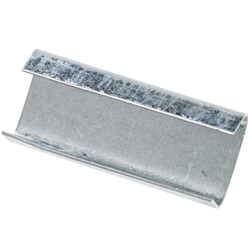
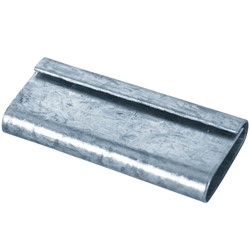
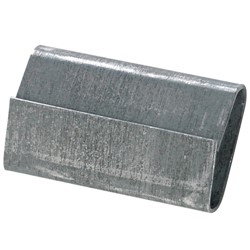
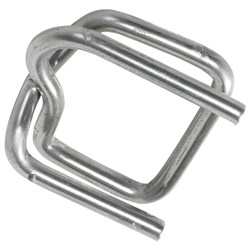
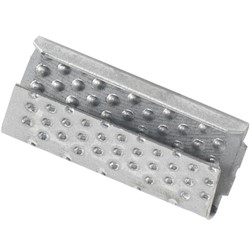
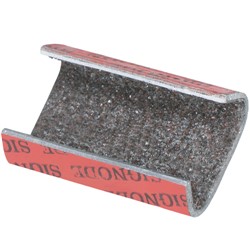
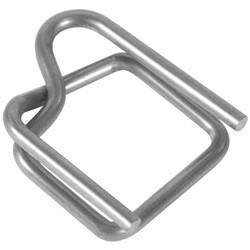
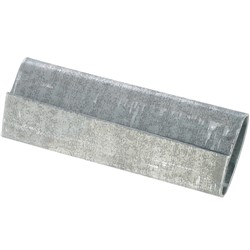
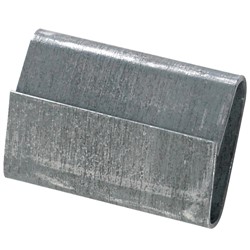
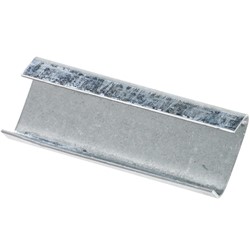

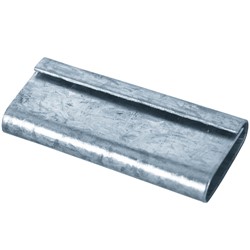
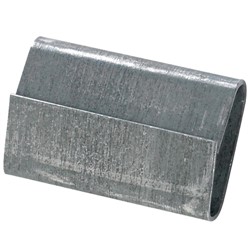
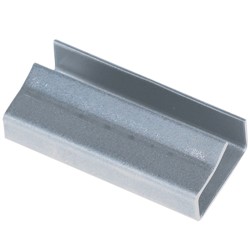

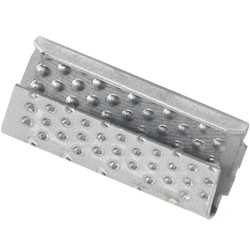
Strapping seals and buckles create or support the joint between strap ends. Steel seals, polypropylene seals, and cord-strapping buckles are not interchangeable, so select the closure from the material and width. 1. Match the tool to the strapping material. Steel, polypropylene, polyester, and cord systems use different tensioners, sealers, cutters, welders, and buckles. 2. Match width and thickness. A tool that fits one strap specification should not be assumed to handle another. 3. Choose manual or powered operation from volume. Production speed and ergonomics affect the best tool choice. 4. Follow tool-safety and maintenance instructions. Strapping stores tension, and cut ends can be hazardous—especially steel. A tensioner pulls the strap tight; a sealer, crimper, buckle, or weld creates the joint; a cutter removes excess material. Some combination tools perform multiple steps, while higher-volume systems automate parts of the process. Use the exact tool specifications for strap material, width, thickness, seal style, power source, and maintenance. An incompatible tool can produce a weak joint even when the strap itself is correctly selected. Related options: Strapping & equipment Not unless the tool is specifically designed for both materials. Match material, width, thickness, joint style, and production volume. No. Manual tools can be appropriate at lower volume. The strap system is only as reliable as its applied tension and joint. Packaging HERO can help you compare dimensions, materials, performance requirements, application methods, and purchasing quantities for your operation.Strapping Seals & Buckles for Compatible Strap Joints
How to Choose
Strapping Tools Must Match the Strap and Joint
Frequently Asked Questions
Can a steel-strapping tool be used on polypropylene?
How do I choose a tensioner or sealer?
Are powered tools always better?
Why is joint compatibility important?
Need Help Choosing Strapping Seals & Buckles for Compatible Strap Joints?
