.webp)
Wholesale Subsidiary Risk


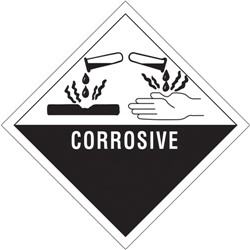
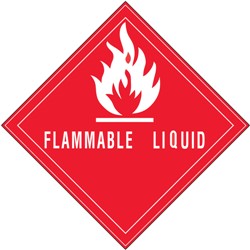
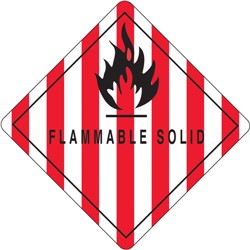
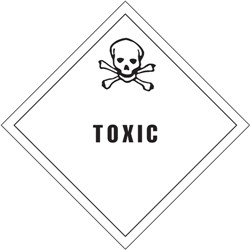
Subsidiary risk labels communicate an additional transportation hazard when a hazardous material has more than one regulated hazard. Stock subsidiary-risk options include hazards such as Corrosive, Flammable Liquid, Flammable Solid and Toxic. Select the exact label from the material's classified subsidiary hazard and the applicable transportation requirements. Stock examples are shown below. Use a subsidiary-risk label only when the material's transportation classification calls for that additional hazard. A hazardous material can have a primary hazard class and one or more subsidiary hazards. The primary label identifies the principal transportation hazard; a subsidiary-risk label communicates an additional hazard when the Hazardous Materials Regulations require it. Do not add a subsidiary-risk diamond simply because a product seems corrosive, toxic or flammable. The material must first be properly classified, and the required primary and subsidiary labels come from that classification and the applicable transportation rules. If you need the primary hazard diamond rather than a secondary-hazard label, compare DOT Hazard Labels. It identifies an additional regulated transportation hazard beyond the material's primary hazard. Examples include Corrosive, Flammable Liquid, Flammable Solid and Toxic; the required label depends on the material's classified subsidiary hazard. They may use the same hazard symbol or wording, but their role on the package is different: they communicate an additional hazard identified by the shipment's classification. No. Classification, packaging, markings, primary labels, documentation, training and mode-specific requirements may also apply. We can help you locate the matching Corrosive, Flammable Liquid, Flammable Solid or Toxic stock label.Subsidiary Risk Labels for Secondary DOT Hazards
Examples of Subsidiary Risk Labels
Subsidiary Hazard
Use
Corrosive
For a classified corrosive subsidiary hazard.
Flammable Liquid
For a classified flammable-liquid subsidiary hazard.
Flammable Solid
For a classified flammable-solid subsidiary hazard.
Toxic
For a classified toxic subsidiary hazard.
Primary Hazard and Subsidiary Risk Serve Different Roles
Frequently Asked Questions
What is a subsidiary risk label?
What kinds of subsidiary-risk labels may be needed?
Are these the same as the primary DOT hazard label?
Does adding a subsidiary label make a hazmat shipment compliant?
Already Know the Required Subsidiary Hazard?
