.webp)
Fulfillment Packaging Supplies for Pick, Pack & Ship Operations
Build a repeatable parcel pack-out that balances speed, product protection, material use and shipping cost.
This guide helps e-commerce teams, fulfillment centers and 3PLs select packaging around the orders they actually ship rather than building a supply list one product at a time.
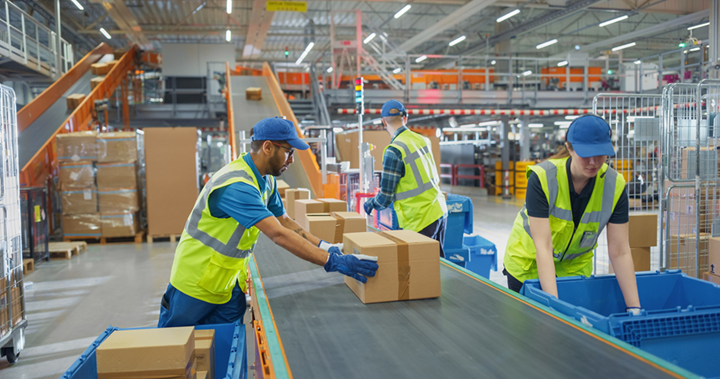
Start With the Order Profile, Not a Supply List
The best fulfillment packaging setup depends on what ships together, how often each order pattern occurs, the product’s damage risk and whether the carrier charges by actual or dimensional weight. Review several weeks of orders and group them into common pack-outs before deciding how many carton or mailer sizes to stock.
A smaller, well-chosen assortment can make replenishment and training easier, but it still needs enough size coverage to avoid routinely shipping excess space.
Build the Fulfillment Packaging System
Build the pack-out in order: exterior package, internal protection, closure and final verification.
1
Choose the Exterior Package
Use shipping cartons for products that need structure, stackability or room for protective materials. Consider mailer-style packaging for suitable soft goods, flat products, kits and other lower-risk shipments.
2
Control Movement Inside
Use cushioning, blocking or void fill based on product weight, fragility, shape and the amount of open space. The goal is controlled protection—not simply adding more material.
3
Standardize the Closure
Match tape construction and application method to carton weight, board surface, storage conditions and shipping environment. Define the approved seal pattern so results do not vary by packer or shift.
Shop Carton Sealing Tape →4
Verify the Finished Pack-Out
Check package fit, product movement, seal quality, label placement, finished dimensions and total packed weight. Test the complete pack-out rather than judging each material separately.
Make Better Pack-Out Decisions
When to Use Stock or Custom Packaging
Stock Packaging Fits When
• Fast replenishment and flexibility are priorities.
• Order patterns or product dimensions are still changing.
• Common sizes provide acceptable fit and protection.
• You need to validate a pack-out before committing to production quantities.
Custom Packaging Fits When
• Repeat volume supports an efficient production run.
• A tighter fit can materially reduce freight or protective material.
• The pack-out needs special dimensions, printing, inserts or performance.
• Forecasted demand supports scheduled releases and inventory planning.
Custom is not automatically better. Compare the complete cost per shipped order—including materials, labor, freight, storage, damage and inventory exposure—before changing the program.
Measure the Pack-Out, Not Just Material Price
Pack Time
Average labor time for common order profiles.
Material Use
Boxes, tape, cushioning and other materials per shipment.
Freight Exposure
Actual weight, dimensional weight and avoidable package volume.
Damage Rate
Claims, reships, returns and the pack-outs involved.
Continue With the Right Guide
Use the next guide based on whether your bigger issue is package sizing, parcel cost or warehouse standardization.
Fulfillment Packaging FAQs
What packaging supplies are used in fulfillment?
Common supplies include shipping cartons or mailers, tape or another closure, product cushioning or void fill, labels and palletizing materials when orders leave by freight. The right assortment depends on the order profile and shipping method.
How many shipping box sizes should a fulfillment operation stock?
There is no universal number. Use shipment history to identify common product and order combinations, then choose enough sizes to control empty space without creating unnecessary inventory or packer confusion.
How can packaging improve fulfillment speed?
Place frequently used materials within reach, reduce unnecessary choices, define repeatable pack methods and select packages that are fast to form, fill, close and label for the orders handled most often.
When should a fulfillment operation consider custom packaging?
Consider custom packaging when repeat volume is stable and a different size, structure, print or protective design creates measurable value. Compare total landed and operating cost before committing to inventory.
Need to improve a real pack-out? Share your products, common order combinations, current packaging, shipping methods and volume. Packaging HERO can help identify practical stock options or evaluate whether a custom program is justified.
