.webp)
 Shurtape Tapes
Carton Sealing Tape




No Result Found
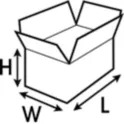
Search by Size:
No Result Found
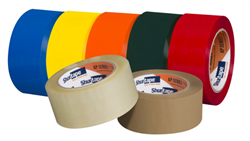
Carton sealing tape keeps top and bottom flaps closed through packing, storage and distribution. Reliable selection depends on adhesive chemistry, backing strength, carton surface, temperature and application—not thickness alone. Choose width to cover the center seam with enough contact on both flaps. Packed weight, flap tension, board grade, recycled content and surface coatings can all change the required tape strength. Greater total thickness may indicate a heavier backing or adhesive coat, but it does not replace tensile, adhesion and shear data for the exact product. Hand-length rolls fit portable dispensers and changing stations. Machine-length rolls reduce changeovers on semi-automatic and automatic case sealers, but core size, maximum roll diameter, unwind direction and adhesive must match the equipment. Colored, preprinted and custom tapes add identification without changing the need for a sound structural seal. Apply pressure-sensitive tape to clean, dry flaps with firm wipe-down across the entire seal. Cold cartons, dust and insufficient pressure can prevent wet-out. Test the finished package at representative weight, temperature, dwell time and distribution stress before standardizing a tape. There is no universal winner. Match hot-melt, acrylic, solvent-acrylic or natural-rubber performance to the carton, temperature, storage time and line speed. No. Backing strength, adhesive coat, width, board surface and application quality all contribute to the finished seal. Usually not efficiently. Automated equipment generally needs a compatible machine-length roll, core and unwind configuration. Fiber variability, dust, coatings, cold surfaces and low application pressure can reduce adhesion. Test a formulation designed for the actual board. We can help compare adhesive chemistry, backing strength and roll format for your boxes and equipment.
Carton Sealing Tape Matched to the Box, Load and Packing Line
Compare the Main Sealing Choices
Tape choice
Distinctive strength
Use it when
Hot-melt tape
Fast initial tack and strong grab
Cartons move quickly through manual or automated packing
Acrylic tape
Aging, clarity and resistance to ultraviolet exposure
Packages face longer storage or changing temperatures
Solvent-acrylic tape
Broad service-temperature performance and dependable corrugated adhesion
One general-purpose seal must handle varied warehouse and shipping conditions
Natural-rubber tape
Aggressive initial adhesion with constructions for demanding surfaces
Carton finish or handling conditions make ordinary tape difficult to hold
Quiet-unwind tape
Reduced application noise
Packing occurs near offices, retail areas or multi-station work zones
Water-activated tape
Bonds to corrugated fibers after moistening
A paper-based, visibly disturbed seal is preferred
Size Strength and Format Around the Process
Frequently Asked Questions
Which carton sealing adhesive is best?
Does thicker tape always seal a heavier box better?
Can hand-roll tape run on a case sealer?
Why does tape lift from recycled corrugated?
Need to Standardize Your Carton-Sealing Tape?
